Chiropractor, physiotherapist or osteopath: the differences
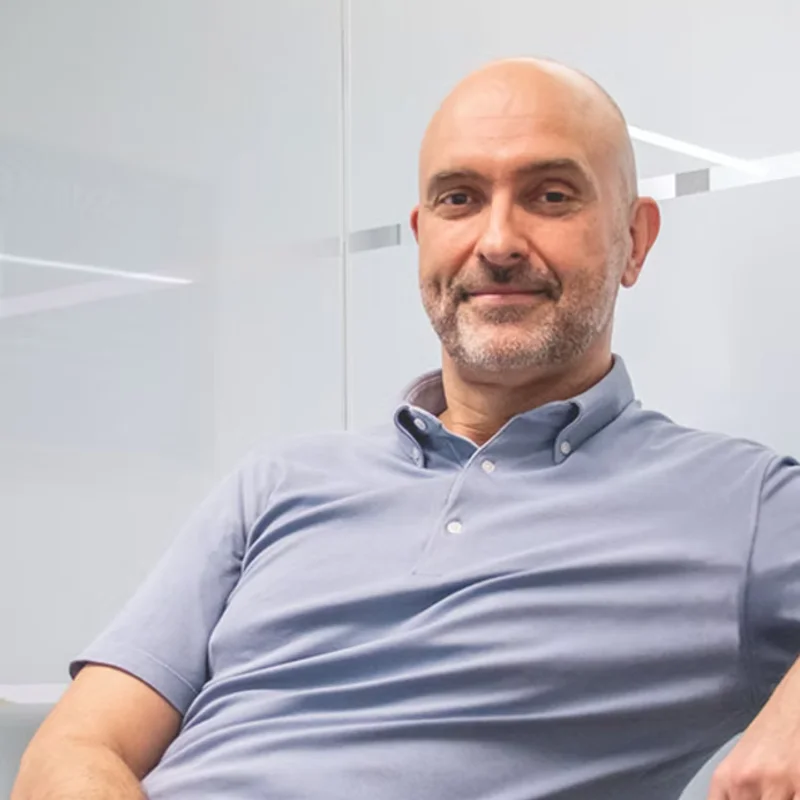
Robert Pujol
Chiropractor
It’s probably the question I get asked most: “Robert, how is what you do different from seeing a physio or an osteopath?”. The short answer is that all three disciplines work with the hands and the body, but each has a different focus, training and legal framework. The long answer is this article.
An important clarification first
In Spain, the physiotherapist is a regulated healthcare profession: a recognised university degree, professional colleges, competencies defined by law. Chiropractic and osteopathy are not recognised as official healthcare professions in Spain, although they are practised normally and legally. That’s why it’s worth checking the training of whoever treats you. In chiropractic, the benchmark is being a member of the Spanish Chiropractic Association (AEQ), which requires university-level training accredited by the European Council on Chiropractic Education (ECCE).
Comparison table
| Chiropractor | Physiotherapist | Osteopath | |
|---|---|---|---|
| Main focus | Spine and nervous system | Functional recovery of muscles and joints | Whole-body view |
| Signature technique | Specific spinal adjustment | Therapeutic exercise, manual therapy, physical agents | Varied manual techniques |
| Status in Spain | Not regulated; AEQ benchmark + university training (ECCE) | Regulated healthcare profession | Not regulated |
| Typically seen for | Spinal dysfunctions, neck/lower-back pain, headaches of cervical origin | Injury rehabilitation, post-op, sports conditions | Diffuse complaints, global approach |
How I explain it
The physiotherapist is who you want by your side when you have ACL surgery, when you’re carrying a sports injury that needs a progressive exercise plan, or when you need to rebuild strength and mobility after a period of immobilisation. They work a lot with active exercise, and that’s one of their great strengths.
The chiropractor focuses on the relationship between the spine and the nervous system. When a vertebra loses its normal mobility or alignment, it can cause pain or alter how the nervous system works in that area. The adjustment aims to restore that mobility in a specific way. It’s useful, above all, for spinal dysfunctions, mechanical neck and lower-back pain, and headaches that come from the neck.
The osteopath works with a more global view and a broad range of manual techniques.
Are they mutually exclusive?
Not at all, and this is what I most want you to take away. They are complementary approaches. Many of my patients combine chiropractic with physiotherapy, or with Pilates, yoga or strength training, and they do better that way. I don’t compete with the physio: if I see your case needs a rehabilitation exercise programme that falls outside my field, I tell you and refer you.
The right question isn’t “which is best?”, but “what does my body need right now?”. And that answer starts with a proper assessment.
If you think your case fits chiropractic care, you can read what chiropractic actually is or book a first visit so we can assess it together in the Eixample.
Robert Pujol
Chiropractor
I'm Robert Pujol, a chiropractor based in Barcelona. I believe health is one of the most valuable things we have, and my goal is twofold: to support you where you are right now, and to help you reach a better state of physical and emotional wellbeing. I graduated in Chiropractic from the Barcelona College of Chiropractic (BCC) and earned my Master's in Chiropractic from Universitat Pompeu Fabra (UPF) in 2017. I'm member #1410 of the Spanish Chiropractic Association (AEQ), and I'm affiliated with the European Chiropractors' Union (ECU) and the World Federation of Chiropractic (WFC).
Related articles
What to expect at your first chiropractic visit
How the first visit at Quiropràctica Catalunya works, step by step: case history, postural assessment, findings explained and the first adjustment.
When should you NOT see a chiropractor? Warning signs
An honest chiropractor also tells you when NOT to come. Warning signs that need a doctor before an adjustment, and when we refer you to a specialist.